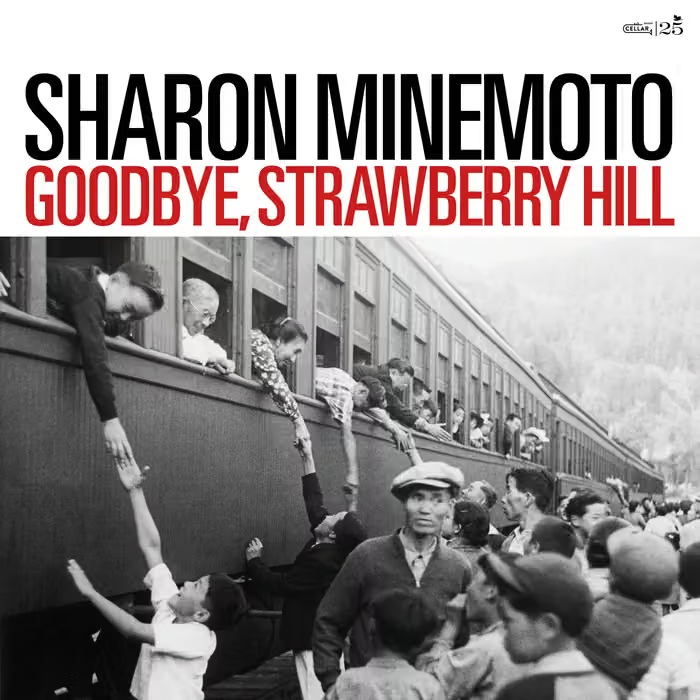
Goodbye, Strawberry Hill by Sharon Minemoto features original compositions that tell her family’s story, both joyful and heartbreaking, from World War II to the present day.
Following the bombing of Pearl Harbour in December 1941, the Canadian government interned people of Japanese ancestry due to fears of espionage, widespread anti-Japanese racism, and pressure from British Columbian politicians. Japanese Canadians were stripped of their civil rights and nearly 22,000 people were forced to leave their homes, many of whom were moved to internment camps. In 1942, Sharon Minemoto’s mother’s family’s 10-acre strawberry farm in Strawberry Hill (Surrey-Delta) was confiscated by the government, and her family then interned in Slocan, BC.
Even after the end of the war, Japanese Canadians were forbidden to return to the West Coast. They were given two choices: move east of the Rockies or “Repatriate” to Japan. Sharon’s maternal grandparents made the difficult choice to take four of their six Canadian-born children by boat to Japan. As Canadians, they would face years of hardship and discrimination in Japan before choosing to return to Canada.
Sharon’s father’s mother took her children to meet their grandmother in Japan when the war broke out. Without a home, income or father, the family was stranded near Hiroshima when the US atomic bomb was dropped. With his family stuck in Japan, her grandfather was interned in a camp in Moose Jaw, where he died.
With the support of the Japanese Canadian Legacies Society, Sharon composed nine works for her quartet, each inspired by and reflectinng her family’s experience during WWII. These were recorded at Monarch Studios in October 2025 and released on the Cellar Music record label in May 2026.
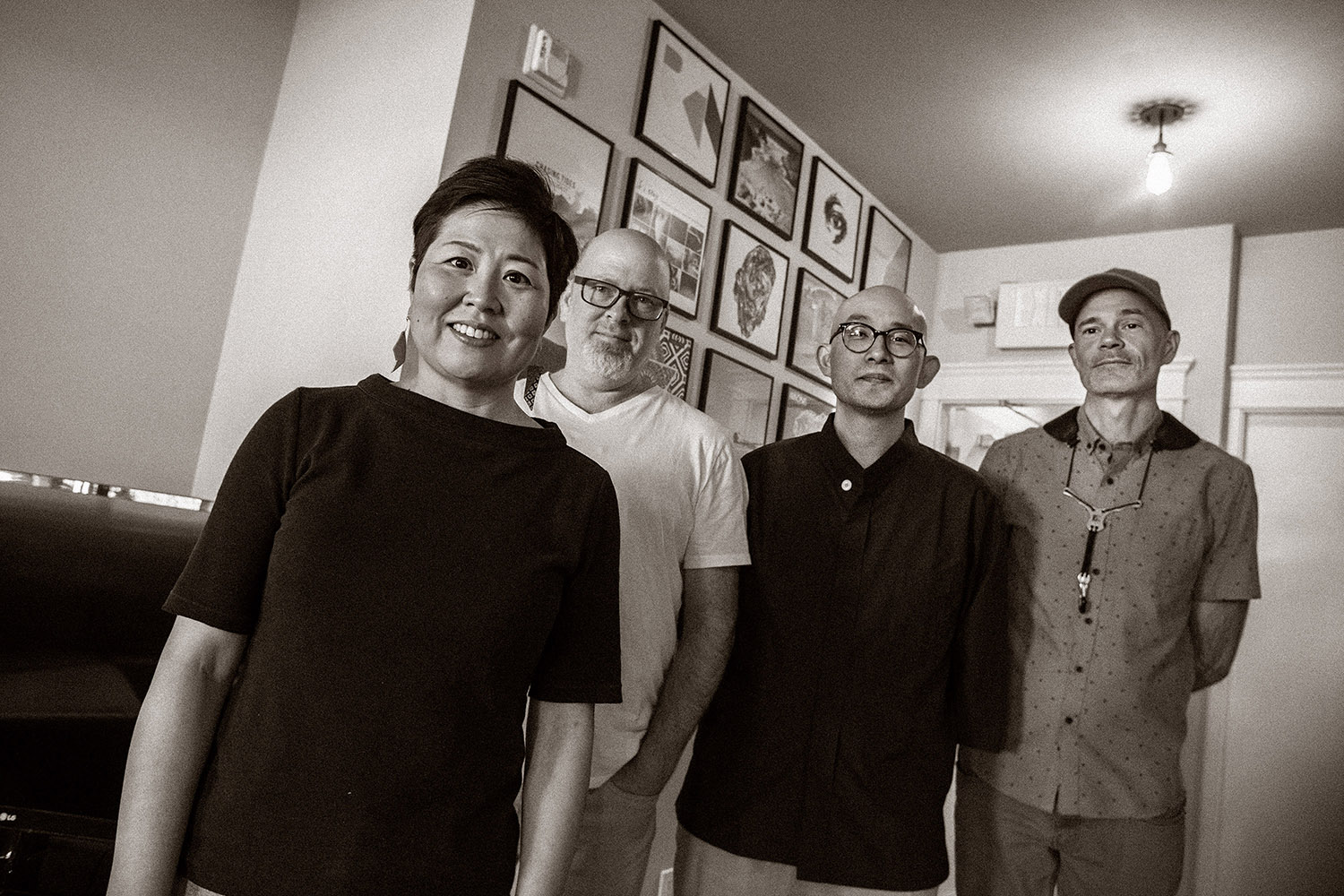
L–R: Sharon Minemoto, Darren Radtke, Bernie Arai, Jon Bentley
Track Listing
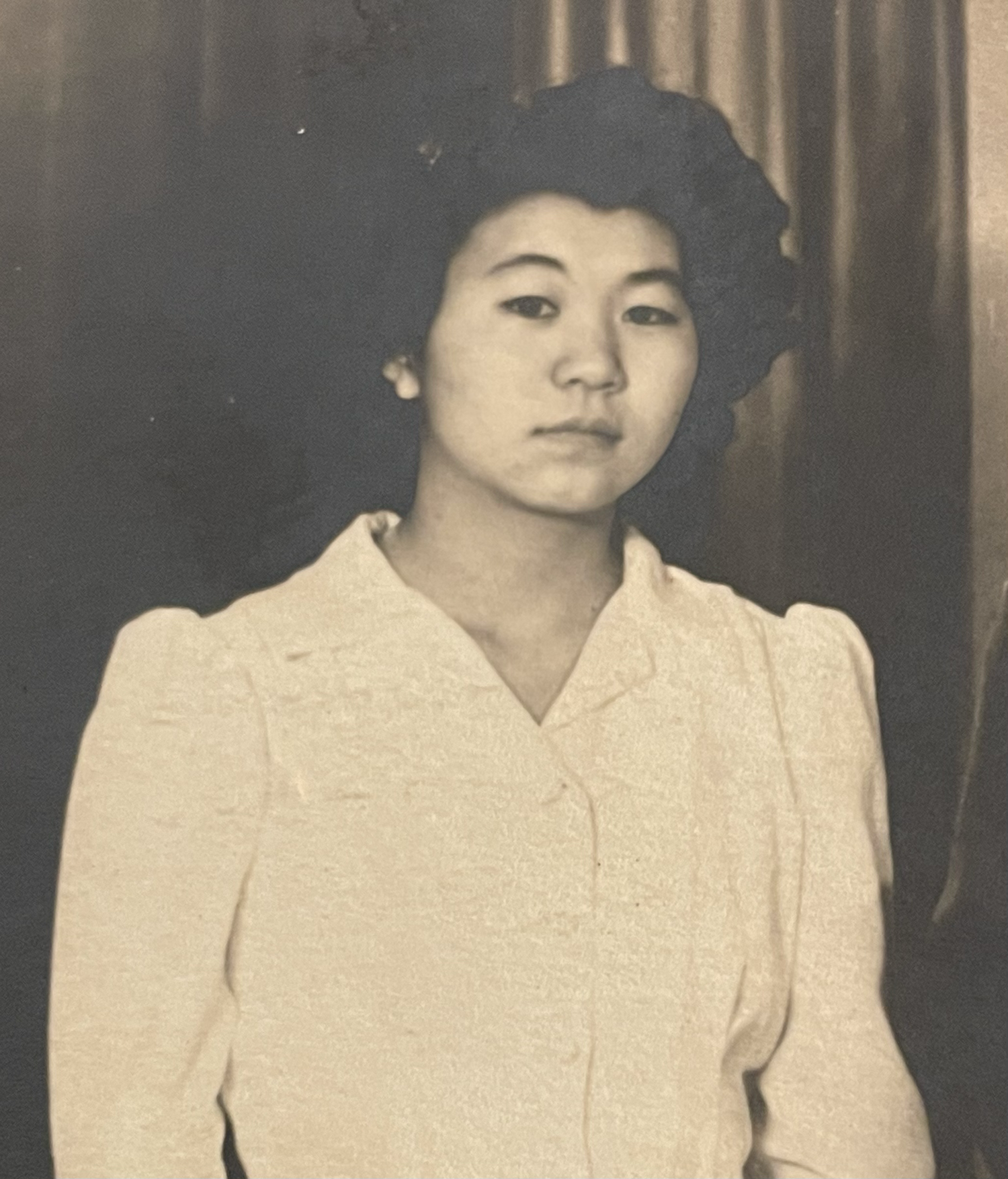
01. Rosebud (for Keiko Robson)
At age 17, my mother’s sister, Keiko was left in Canada to keep their newly married sister, Akiko, company. Akiko and her husband lived in Vernon, BC while Keiko boarded with family friends in Lillooet, BC. My grandparents were devastated to learn that these “friends” were functioning alcoholics who abused Keiko. Somehow Keiko remained resilient, all while holding down multiple jobs. Multiple jobs meant more money so her abusers raised the price of her room and board. Keiko secretly took a babysitting job until she had enough money to escape. Despite having to endure so much, my aunt remained thoughtful and kind just as she is today at age 97.
Keiko shipped much needed supplies to her parents and included boxes of Rosebud chocolates. The kids anticipated these parcels with delight and would savour their allotment of 2 Rosebuds after dinner. This tune is influenced by Keiko’s positive attitude and conjures images of the kids dancing around savouring the chocolates in their mouths!
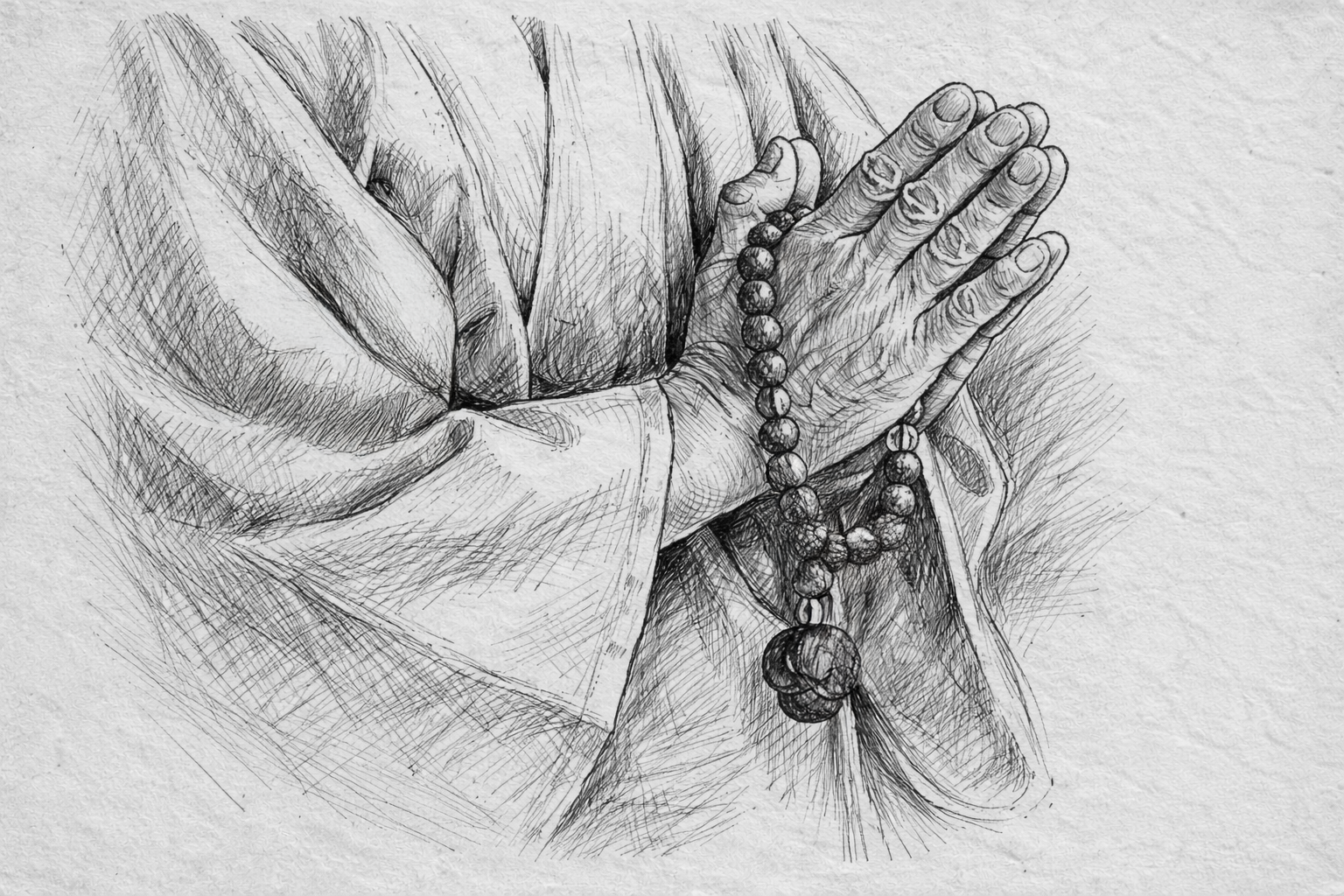
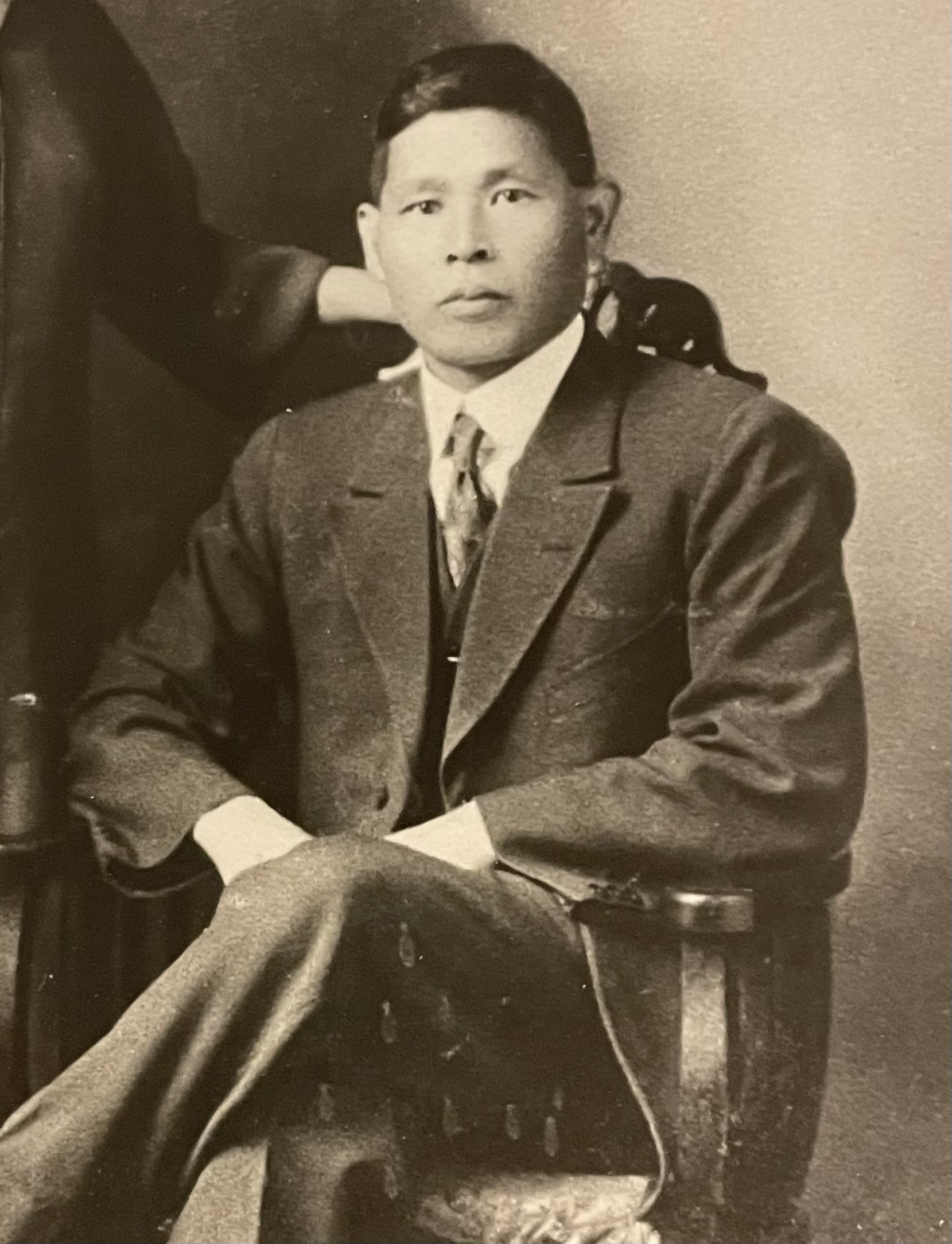
04. Eulogy (for Sunawa Minemoto)
Assuming funerals were not held in internment camps, I offer “Eulogy” for my grandfather. My dad was only age 7 when he last saw his father. The short song form represents the few words my dad and his siblings would have had to say about a father they barely knew. The piano accompaniment mimics the mournful sound of sirens when my grandfather’s family was bombed in Japan and the despair he must have felt being trapped in Canada, unable to help them.
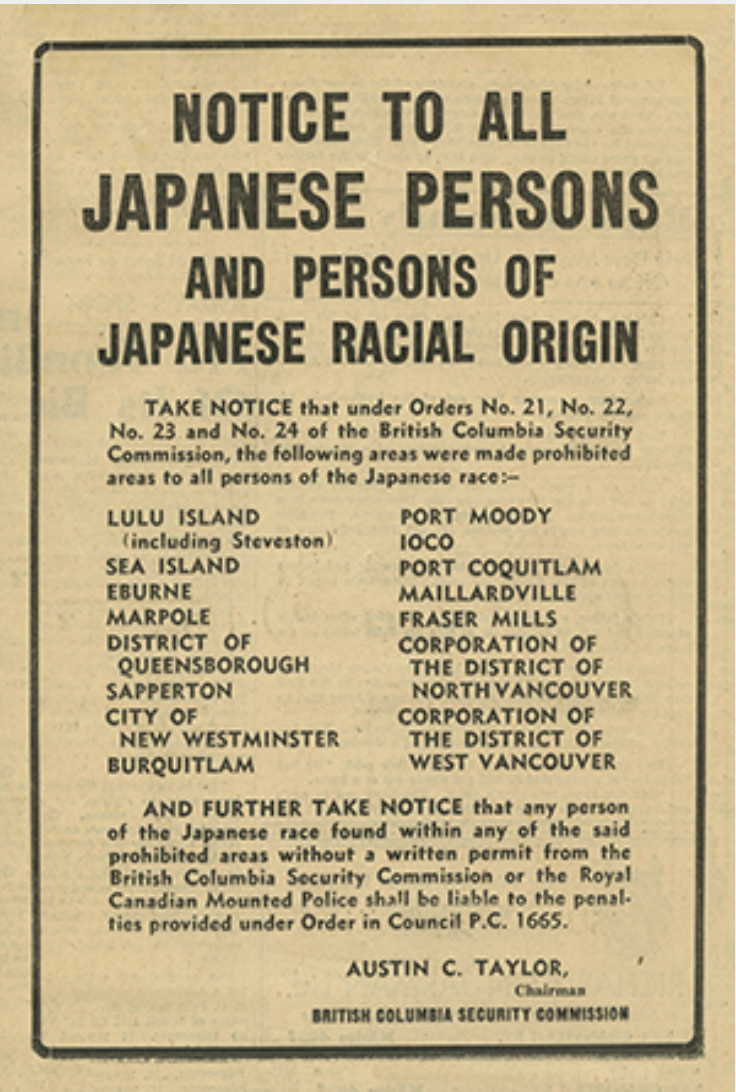
05. No Way Out
In Japan, a er-school bullying and beatings from classmates happened regularly for both my parents. Leaving Canada with so little money, they could not afford to try to blend in, so they were easy targets in their western style clothing. Whether in Canada or Japan, there was no way to avoid discrimination.
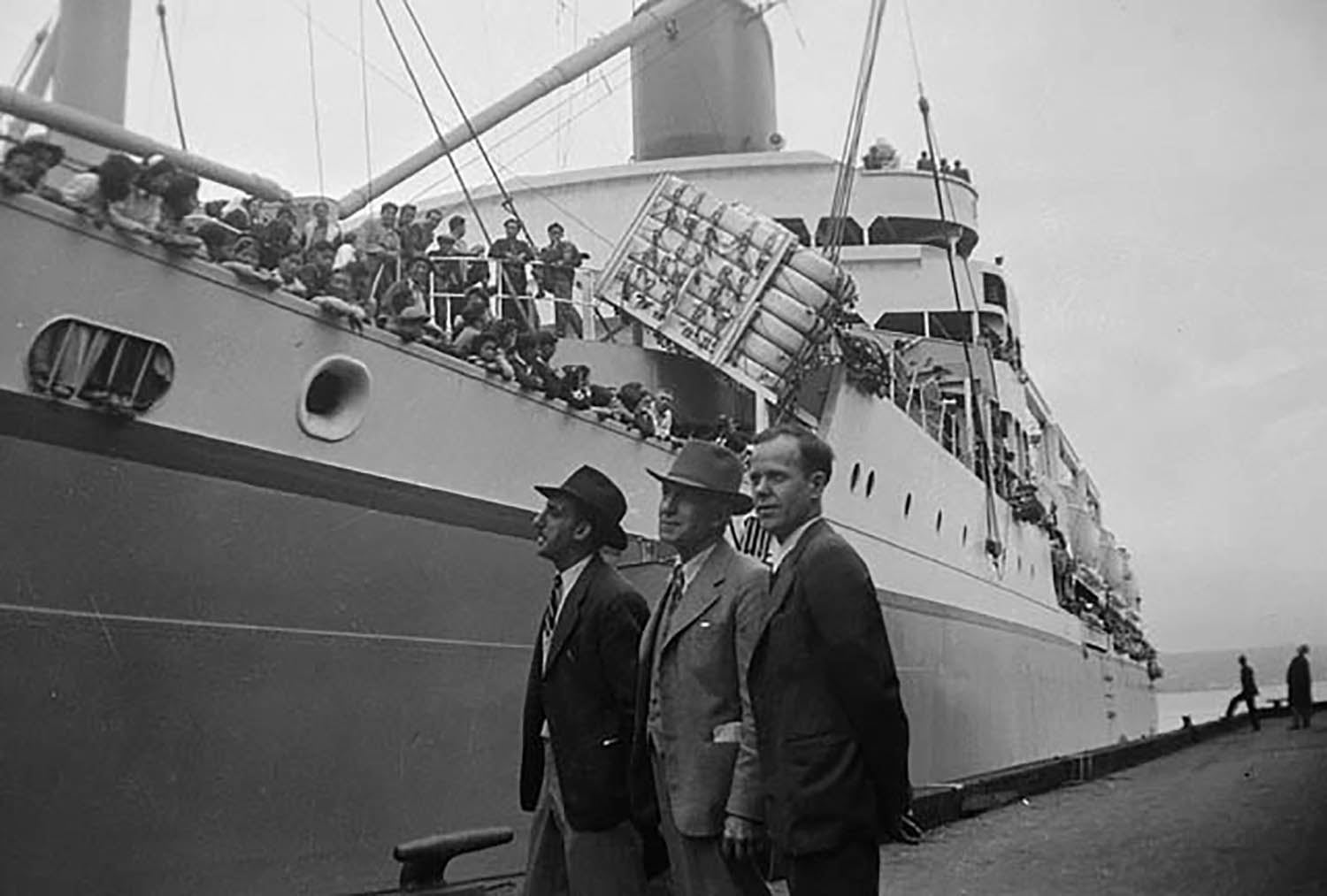
06. Captive Voyage
My mother’s family’s journey to Japan was not easy. Conditions on the ship were poor. Men were kept on the lower decks, separated from their wives and children who were on the upper decks. The rough waters brought on seasickness and the travellers worried about the unknown circumstances they were heading to.
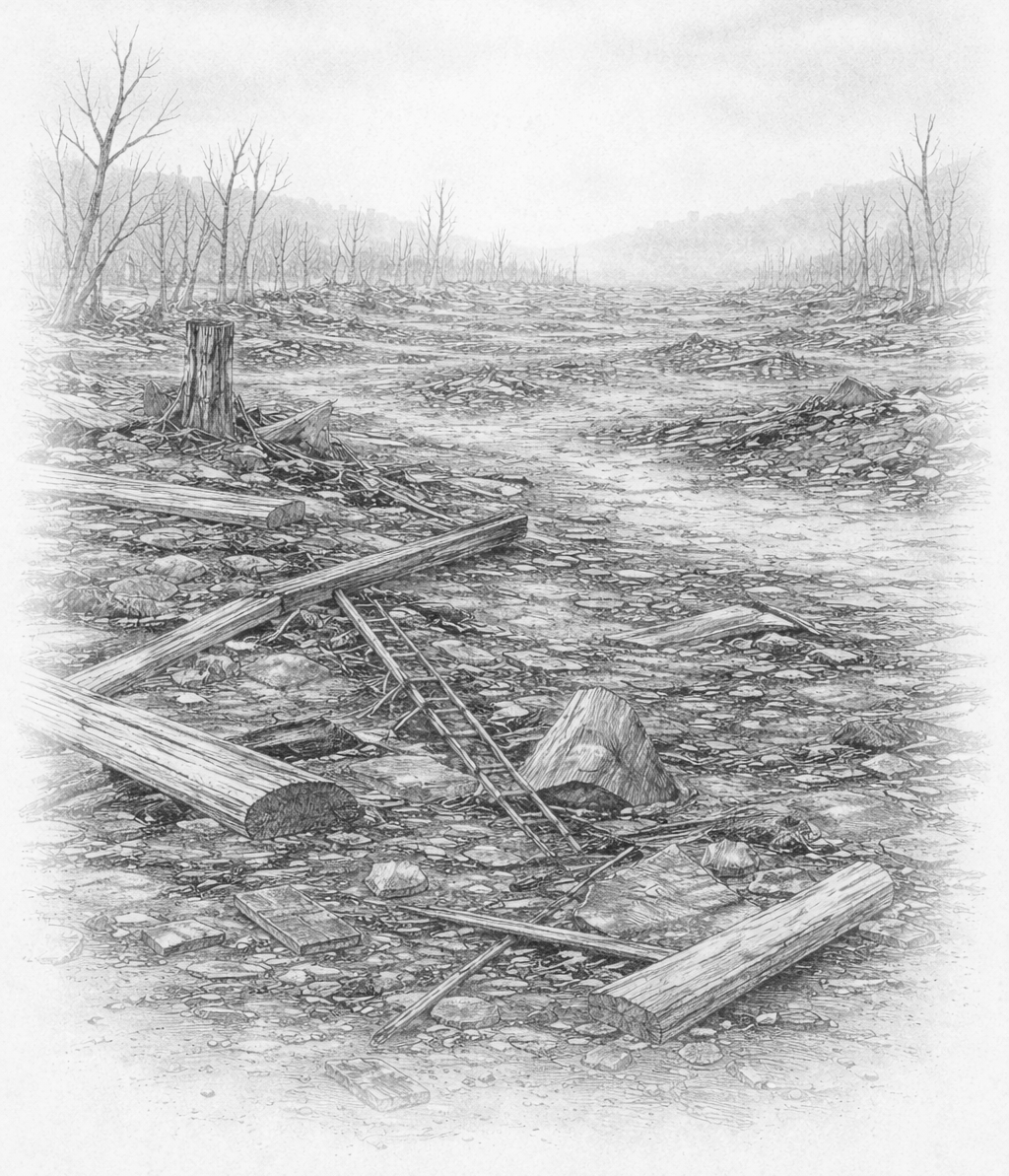

08. Akatombo / 09. Dragonfly
As a child, my ears were mesmerized by the beautiful melody that came from a record we had of “Akatombo” (Red Dragonfly). The song’s storyteller longingly recalls his childhood, watching red dragonflies at sunset while being carried on the back of an older sister. Dragonflies symbolize change and transformation in BC First Nations culture. The Japanese associate dragonflies with samurai warriors and their values of strength, courage and victory. Through luck, I landed when and where I did in my family’s history. “Dragonfly” blends the symbolism of the first inhabitants of Canada and my Japanese roots.
10. An Ocean Between Us
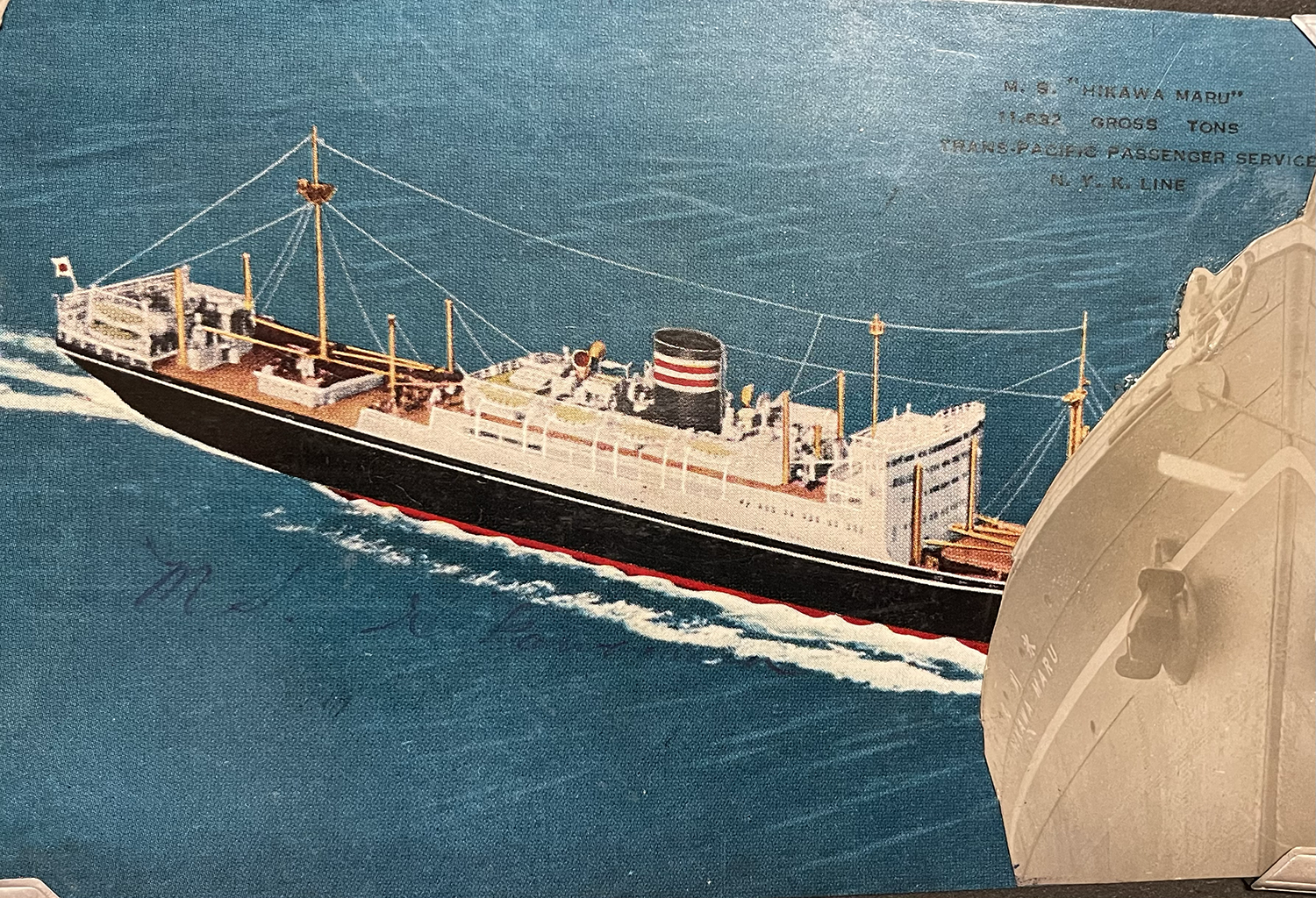
After the death of his father and older brother, it became my father’s responsibility to support the family. He worked day jobs and an ended school at night. He was in grade 12 when his mother announced her surprise engagement to a new man who had health problems. Angry with her for bringing more challenges to their household, my father decided to leave. By this time the Canadian government permitted Japanese Canadians to return to Canada. My dad heard of a ship that would sail to BC and although he had not yet finished high school he took the opportunity to leave. Once back in Canada he worked hard, eventually saving enough money for his younger brother, Hiroshi, to join him.
Executive Producer: Sharon Minemoto & Cory Weeds
Produced by: Sharon Minemoto, Darren Radtke, Jon Bentley, Bernie Arai
Recorded at Monarch Studios on October 12 &13, 2025
Engineered by Dave Sikula
Mixed and Mastered by Chris Gestrin
Edited by Jon Bentley
Design and Layout: John Sellards
Artist Management: Diane Kadota Arts Management
Production Manager: Dominic Duchamp
Front Cover Photographer: Jack Long, National Archives of Canada / The Canadian Press